Expert Tire Repairs: Return to Driving With Safety and Speed
Skilled tire restoration serve an essential function in safeguarding vehicle safety and performance. Experienced professionals undertake thorough inspections to uncover assorted tire concerns. From punctures to alignment complications, each matter warrants careful focus. Knowing when to seek professional support can prevent ensuing complications. As drivers encounter these hurdles, they may consider the most suitable repair options and maintenance standards. Investigating these areas can facilitate informed decisions and more secure experiences down the road.
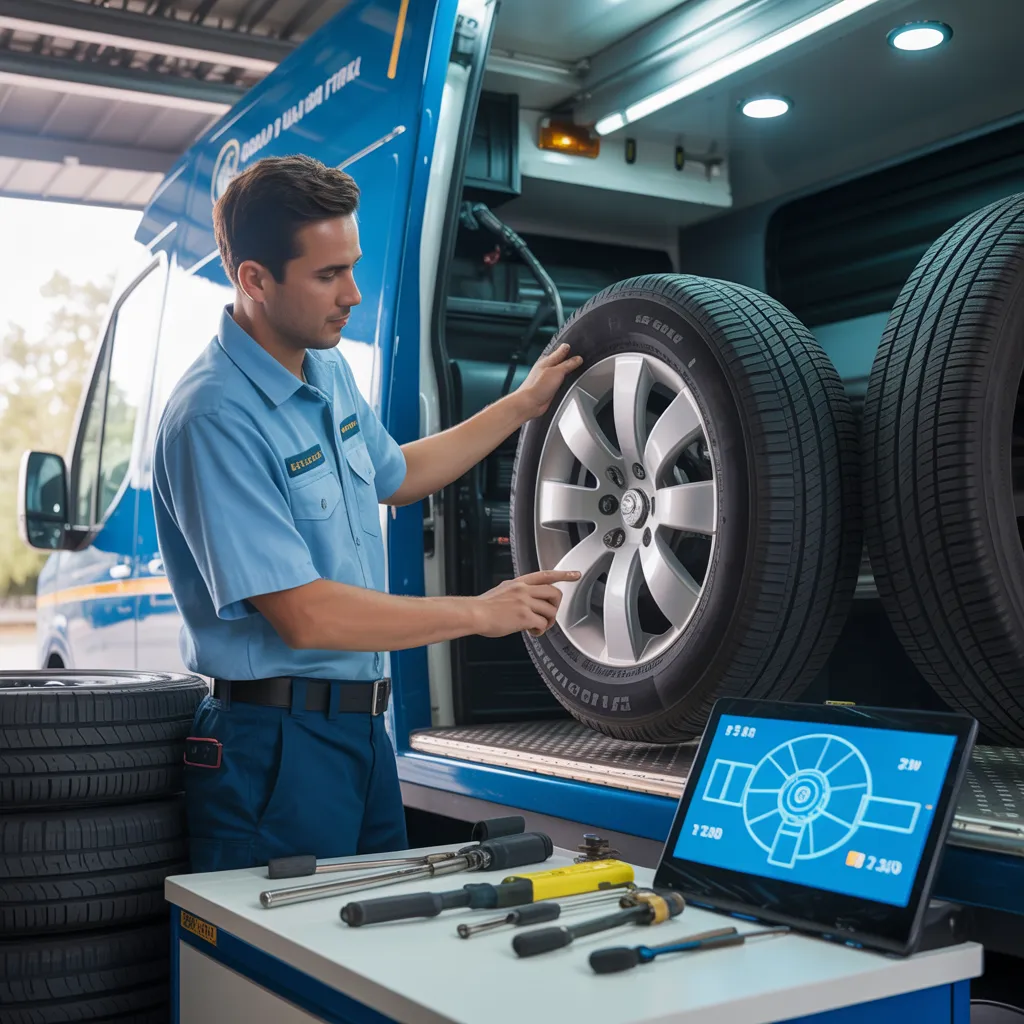
Everyday Tire Obstacles to Remember
When motorists neglect to monitor their tires, they may encounter several frequent concerns that can affect safety and performance. One common problem is underinflation, which can cause increased tire wear and reduced fuel efficiency. Over time, this can cause the tires to overheat, raising the risk of a blowout. Another common problem is tread wear, which influences traction and handling, particularly in wet conditions. Uneven wear may indicate alignment or suspension issues, necessitating further inspection. Additionally, drivers may encounter punctures or sidewall damage from road hazards, leading to slow leaks or complete tire failure. Regular tire rotations, inspections, and proper inflation are critical for preventing these issues. Finally, weather-related factors can also contribute to tire degradation, making it vital for drivers to stay vigilant about their tire health. By identifying these common problems, drivers can enhance their safety on the road.
How to Know When to Get Tire Service?
Recognizing the signs that tire repairs are needed is essential for maintaining vehicle safety and efficiency. Drivers should be vigilant for particular signals that suggest tire issues. Uneven deterioration designs on the tread, for example, may suggest positioning problems or inadequate inflation. Additionally, apparent harm, such as slices, swelling, or holes, often necessitates immediate attention. A sudden decrease of air compression or regular need for air replenishment
Car operators should stay aware of handling and performance changes, such as shakes or pulling to one side, which could suggest tire imbalances or internal damage. Finally, consistently checking tread depth is important; tires with areas of wear jeopardize traction. By watching for these signs, drivers can confirm timely repairs, enhancing both safety and vehicle longevity. Addressing these problems promptly not only stops potential accidents but also lowers more extensive repair costs in the future.
A Guide to Understanding the Tire Maintenance Process
The tire servicing routine usually consists of several key steps to guarantee safety and quality. Initially, a technician examines the tire for evident damage and assesses its overall condition. This review assists in determining whether the tire can be repaired or requires replacement. After the inspection, the technician might remove the tire from the wheel to find punctures or internal damage.
Once any issues are identified, the technician cleans the affected section and prepares it for repair. This may include installing a seal or plug, based on the nature and position of the damage. After the repair is completed, the tyre is reinstalled and correctly filled to the manufacturer's specifications.
Finally, a quality check certifies that the repair complies with safety protocols. Throughout the process, technicians stress correspondence, keeping the buyer of reports and recommendations. This strategic approach warrants a reliable repair, helping commuters to resume to the road with certainty.
Self-Service Tire Solutions in Contrast to Professional Help
Upon understanding the tire servicing procedure, many drivers may contemplate whether to tackle repairs independently or seek expert help. DIY tire fixes can be appealing, notably for those with elementary mechanical abilities and equipment. Basic punctures can often be repaired using repair kits found at auto supply stores, saving both time and funds. However, this method involves risks if correct techniques are not followed, potentially causing additional damage or security concerns.
On the flip side, expert tire repair providers supply knowledge and cutting-edge equipment. Trained professionals can properly evaluate tire damage, guaranteeing repairs are dependable and safe. They can also spot concealed issues that a DIY approach might overlook. Ultimately, the decision regarding DIY repairs versus professional assistance relies on the driver's self-assurance, background, and how serious the tire damage is. Establishing a thoughtful choice is critical for maintaining safety while driving.
Tips for Locating the Ideal Tire Repair Service
What can drivers do to confirm they decide on the superior tire repair option? First, they should survey local options, highlighting customer reviews and marks. This information supplies knowledge into the service quality and reliability of various shops. Next, checking for licenses and associations with recognized automotive organizations can show diligence and expertise.
Moreover, drivers should inquire the repair options offered, ensuring the service can resolve their distinct tire problems. Transparent pricing is also necessary; reputable services give clear quotes without hidden charges.
Additionally, reviewing the shop's warranty policies on services can offer confidence. Finally, convenience matters—location relative to home or work, as well as operation times, can influence the decision. By considering these points, drivers can confidently opt for a tire repair service that meets their expectations effectively.
Worth of Careful Tire Maintenance
Regular tire upkeep provides many benefits that prolong the life span and performance of tires. By regularly inspecting tire air pressure, tread depth, and overall condition, vehicle owners can guarantee ideal traction and control. Correct air pressure decreases deterioration, improving fuel efficiency and saving money at the pump. In addition, routine checks can help detect issues such as uneven wear or damage, enabling for timely repairs that avoid greater issues down the road.
Properly maintaining data tires further raises safety by cutting down the risk of punctures or accidents from insufficient tread. Also, a well-kept set of tires results in a smoother ride, improving comfort for both the driver and passengers. Spending time on regular tire maintenance allows individuals to gain the value of their investment, guaranteeing reliable performance and peace of mind while driving. In conclusion, regular tire maintenance is a vital part of responsible vehicle ownership.
Methods for Dodging Future Tire Problems
Deliberately servicing tires can greatly cut down the possibility of future setbacks. Periodically testing tire pressure is critical; deflation can lead to premature wear and reduced fuel efficiency. It is advisable to review tires for visible damage, such as cuts or bulges, which may indicate structural complications. Cycling tires every 5,000 to 8,000 miles helps guarantee level wear, increasing their lifespan.
Additionally, keeping correct alignment and balance is important to prevent uneven tread wear. Drivers should also check tread depth, using the penny test as a basic method; if Lincoln's head is visible, it's time for a new tire. Finally, preventing excessive loading of the vehicle can reduce excessive strain on tires. By applying these methods, vehicle owners can enhance tire longevity and promote a safer driving experience.

Common Inquiries Posed
What timeframe should you anticipate for a typical tire repair?
A routine tire restoration generally takes roughly 30 minutes to an hour contingent on the degree of damage and the precise repair required. Aspects like technician availability and shop demand can also impact the duration.
Do All Wheel Models Permit Restoration?
All tire types cannot necessarily be restored. In general, tread area punctures of passenger tires could potentially be fixed, but damage to the sidewall, severe wear, or tires with various prior repairs frequently necessitate new tire installation to guarantee safety.
What Sum Should You Anticipate to Pay for Tire Repairs?
Tire mending expenses typically range from $10 to $30, contingent on the damage severity and site. Considerations including tire classification and the repair shop may affect the ultimate cost, causing it changeable.
Is Tire Repair Covered by Your Insurance Policy?
Tire damage protection differs across insurance plan. Some policies include roadside assistance or repair costs, while others may not. It's important for individuals to review their specific policy details to establish coverage for tire fixes.
How Might I Extend the Lifespan of My Tire?
To lengthen a tire's service life, regular maintenance is crucial. This encompasses maintaining proper tire pressure, performing regular tire rotations, checking wheel alignment, avoiding overloading, and inspecting tread depth for evidence of wear and tear.